A close-up look at extremely rare bird species appearing in Hanoi
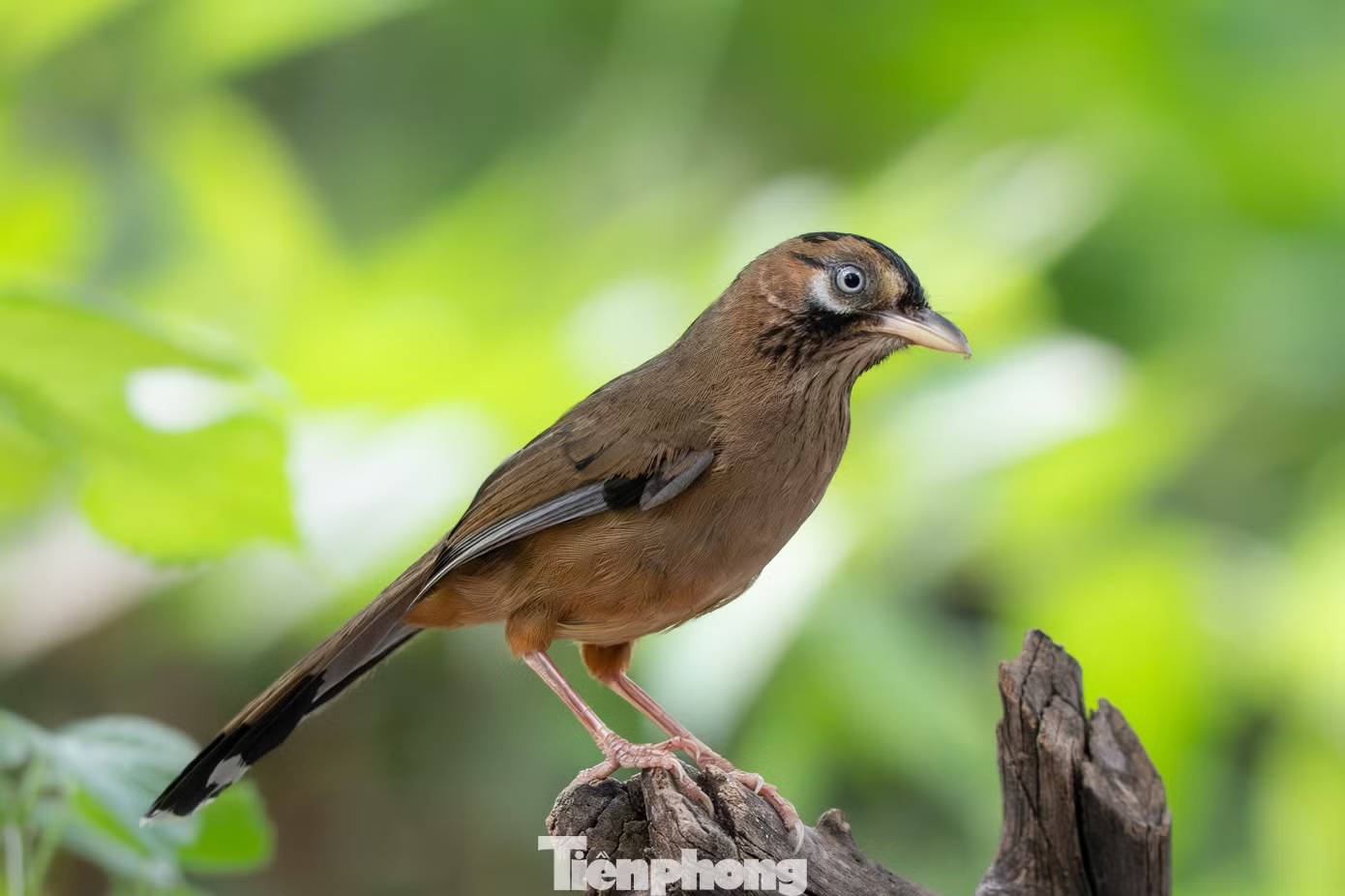
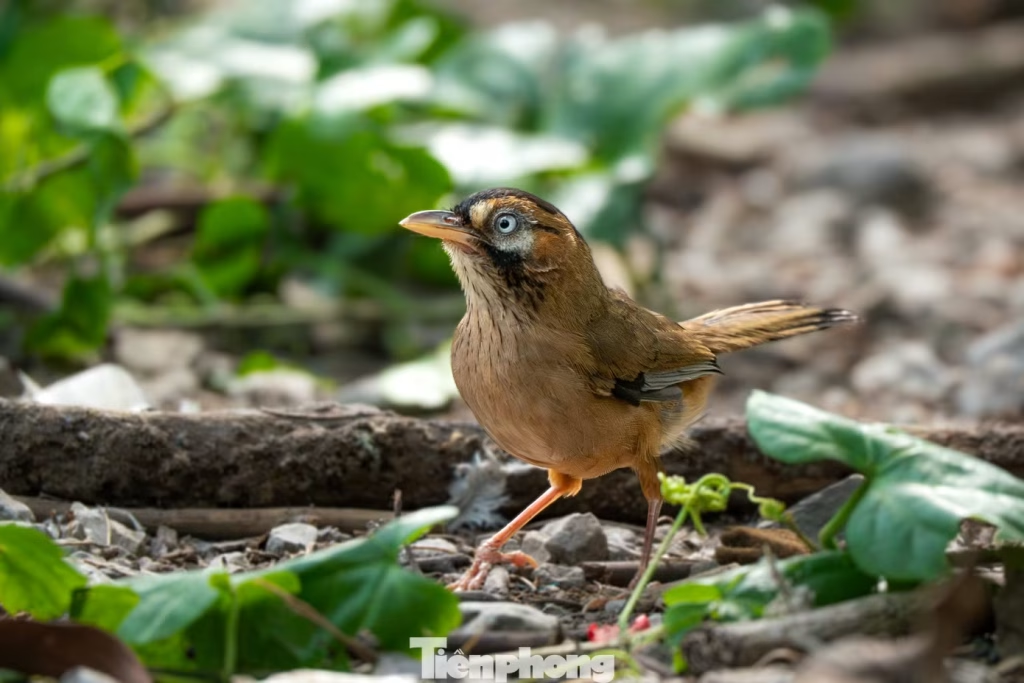
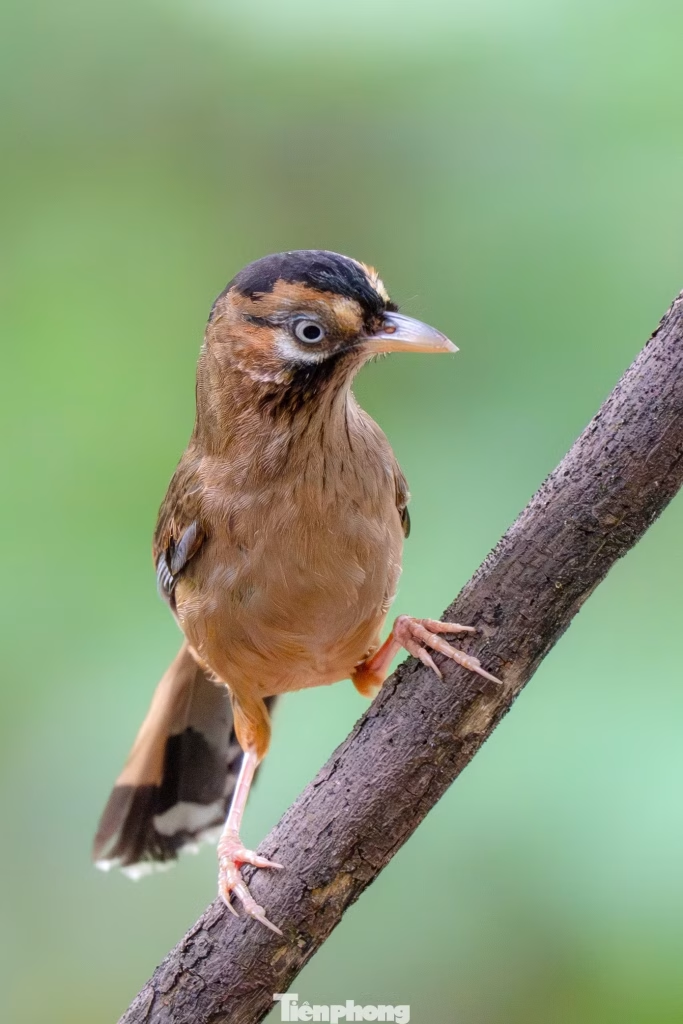
The recent successive appearances of many rare bird species listed in the Red Book in the heart of Hanoi have surprised many nature lovers. From the ultra-rare Eastern Moustached Laughingthrush to the graceful "messenger" of the White Paradise, these special visitors have created a colorful picture of nature amidst the crowded urban landscape.
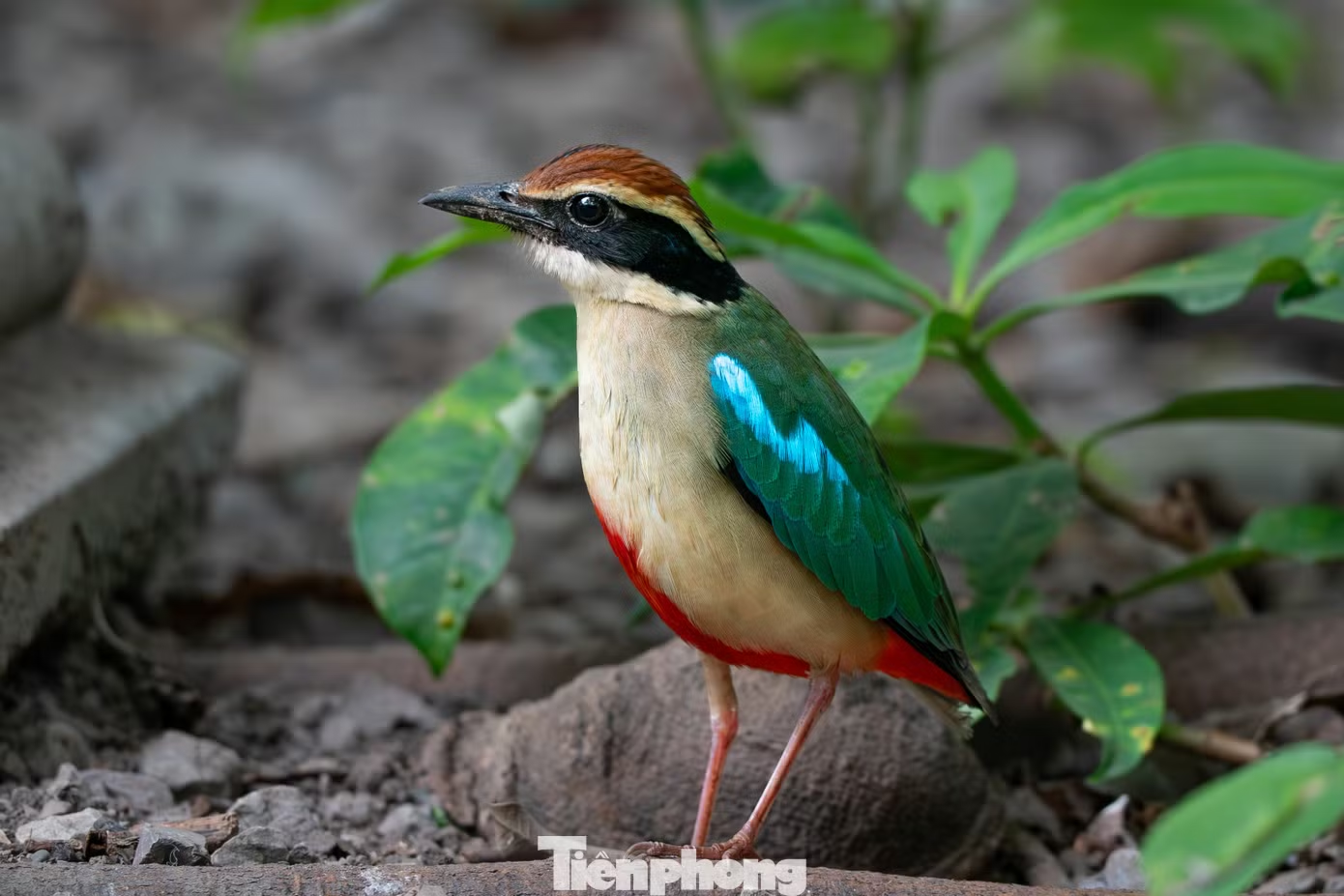
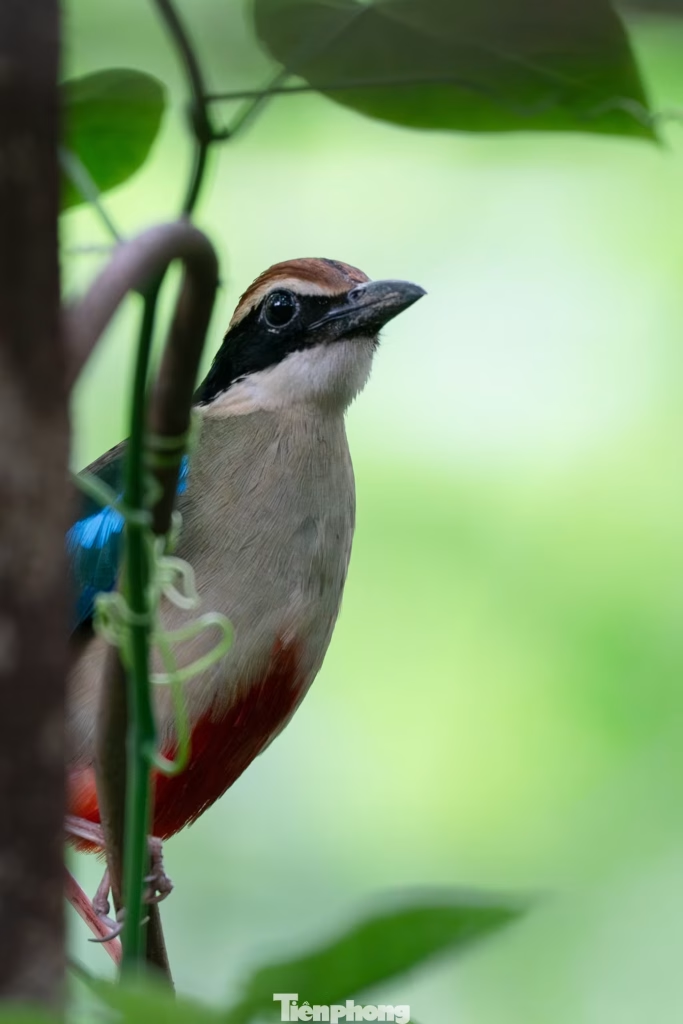
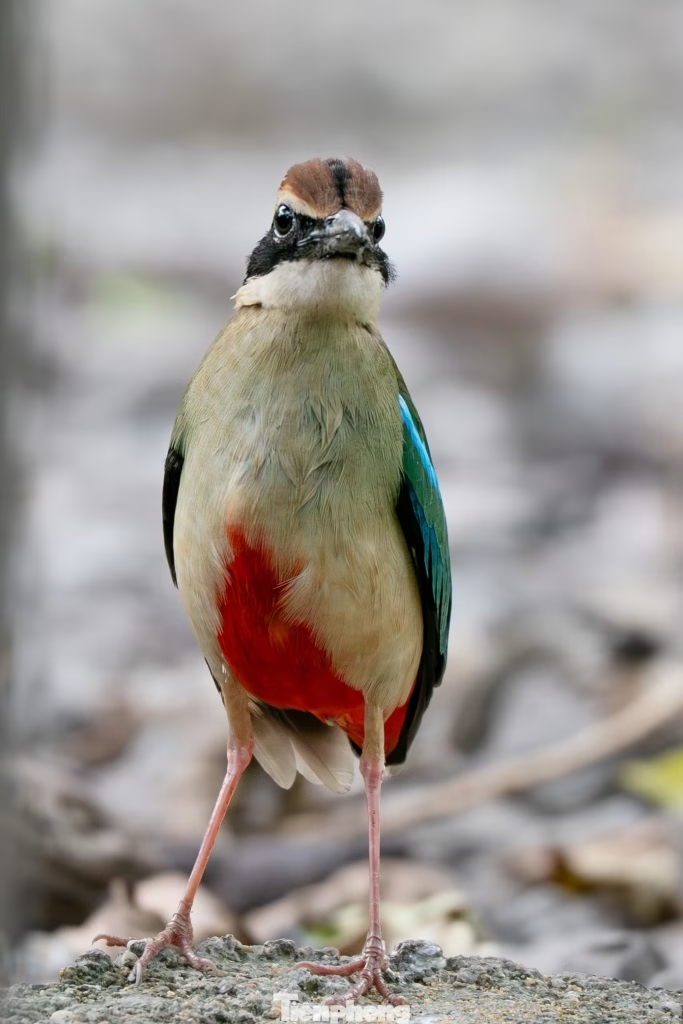
During the late April migration season, this bird unexpectedly appeared in the Botanical Garden area and a tree-lined residential neighborhood in Cau Giay ward (Hanoi), quickly attracting a large number of nature lovers to observe and photograph it.
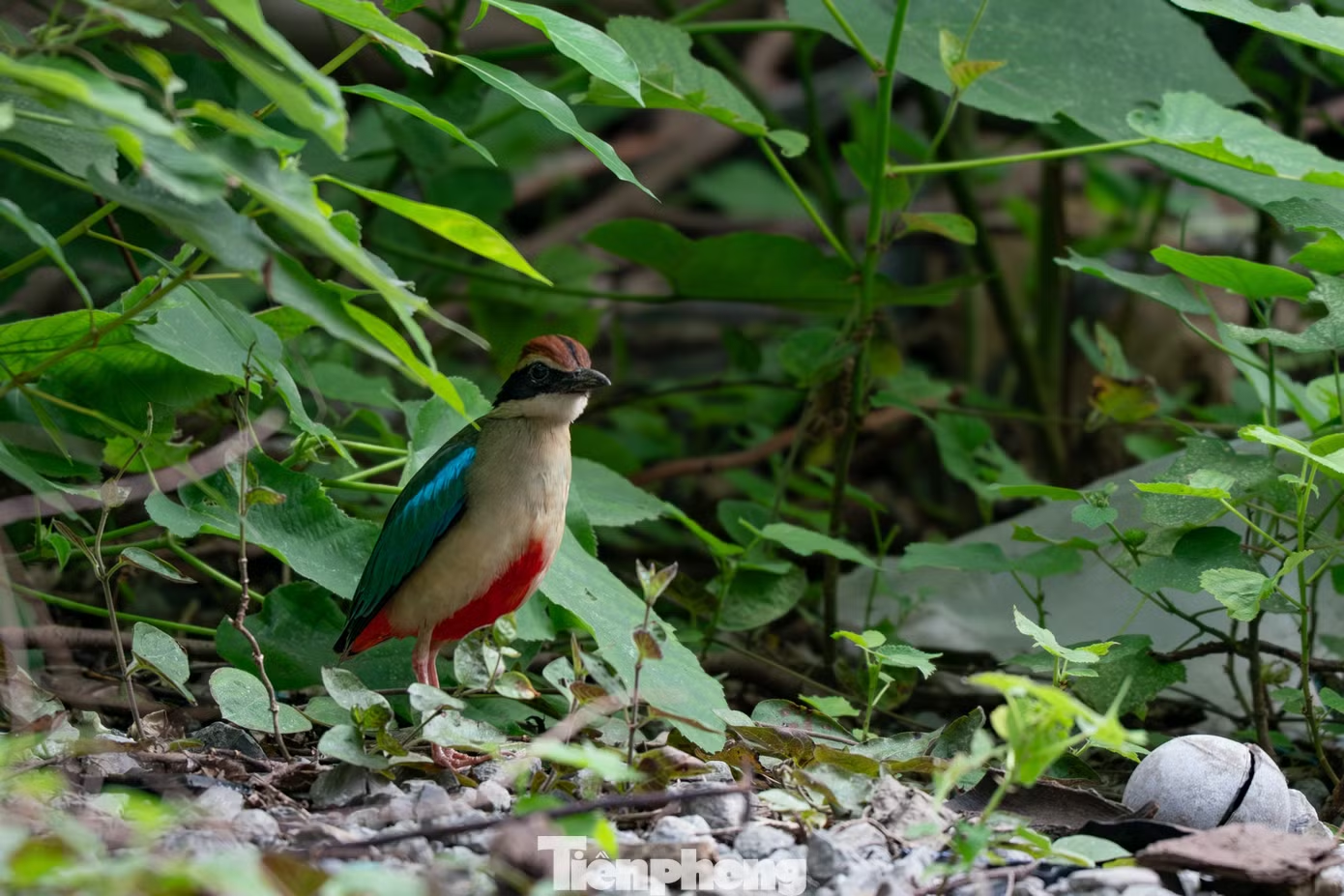
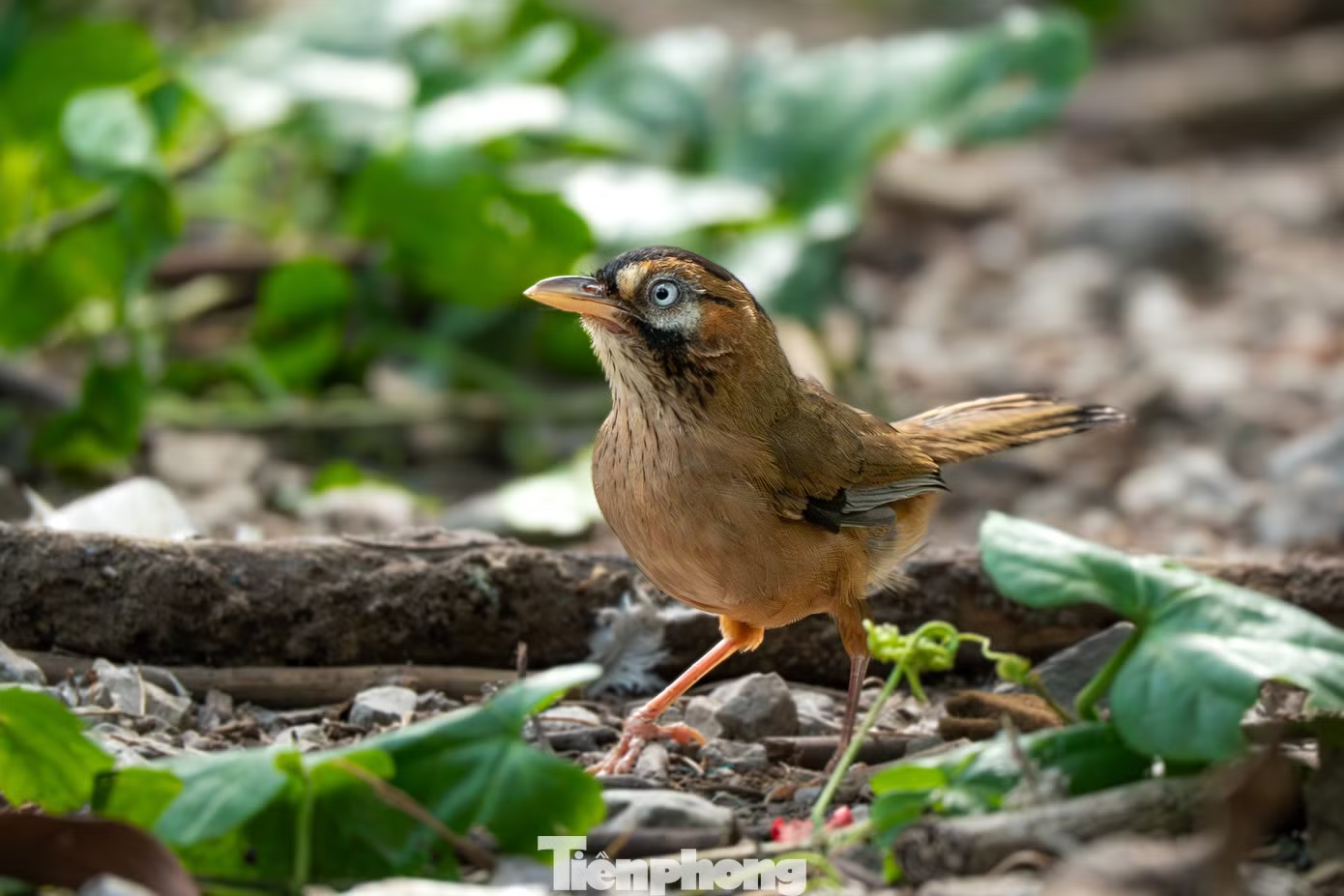
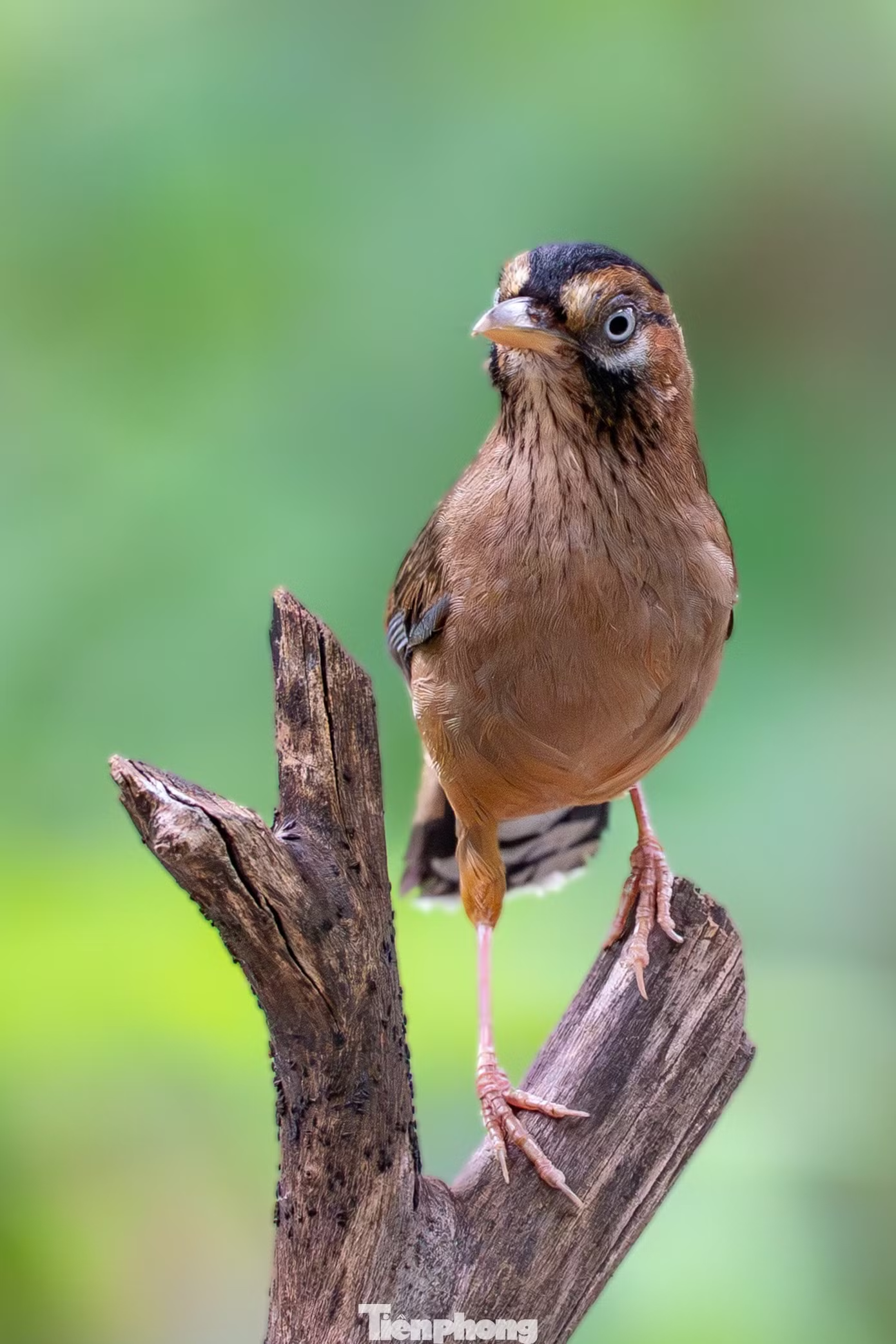
According to researchers, the Eastern Moustached Laughingthrush is primarily distributed in China. In Vietnam, this species has only ever been recorded in a very small area near the Cao Bang border. The appearance of this bird in the heart of Hanoi is considered a rare biological phenomenon.
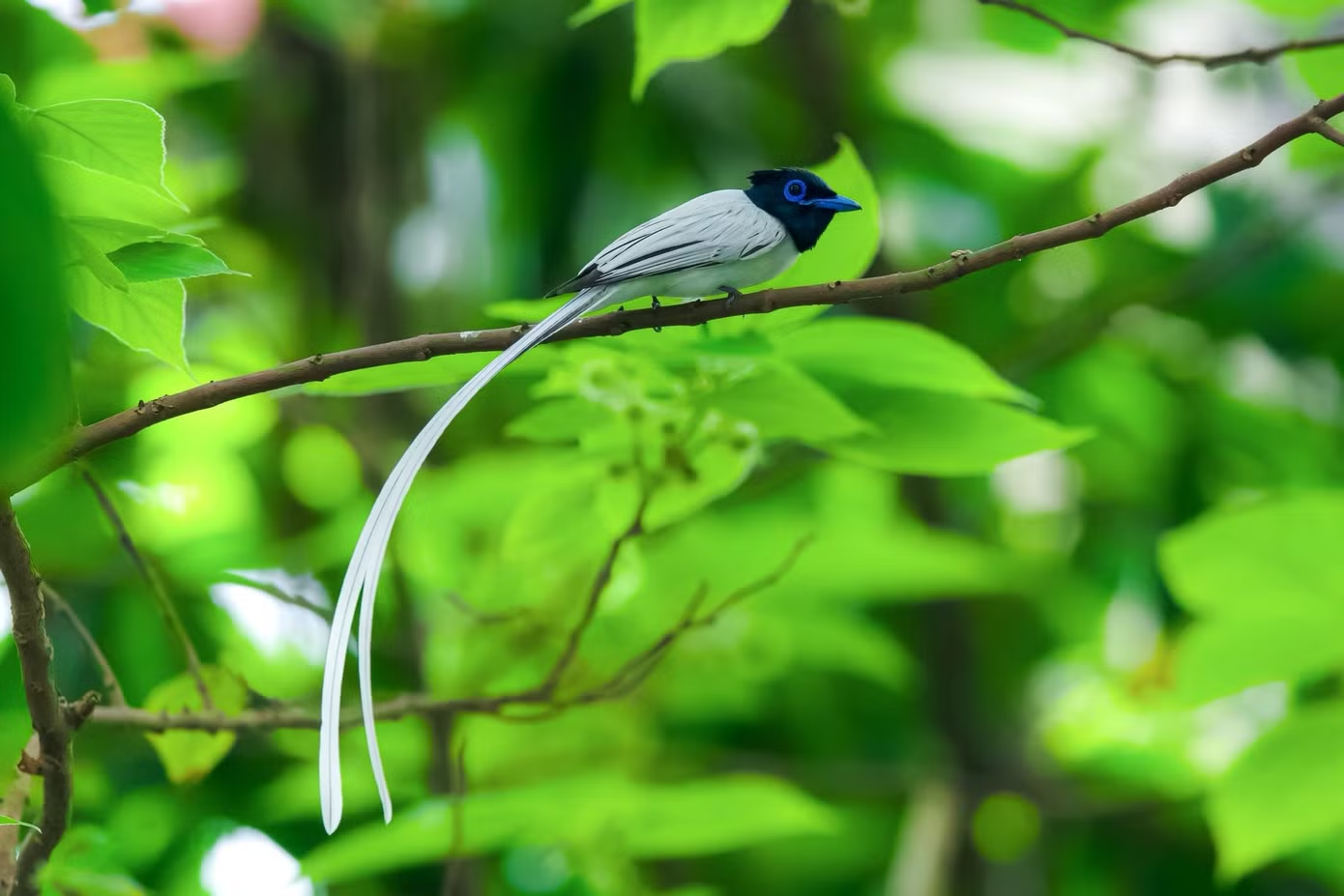
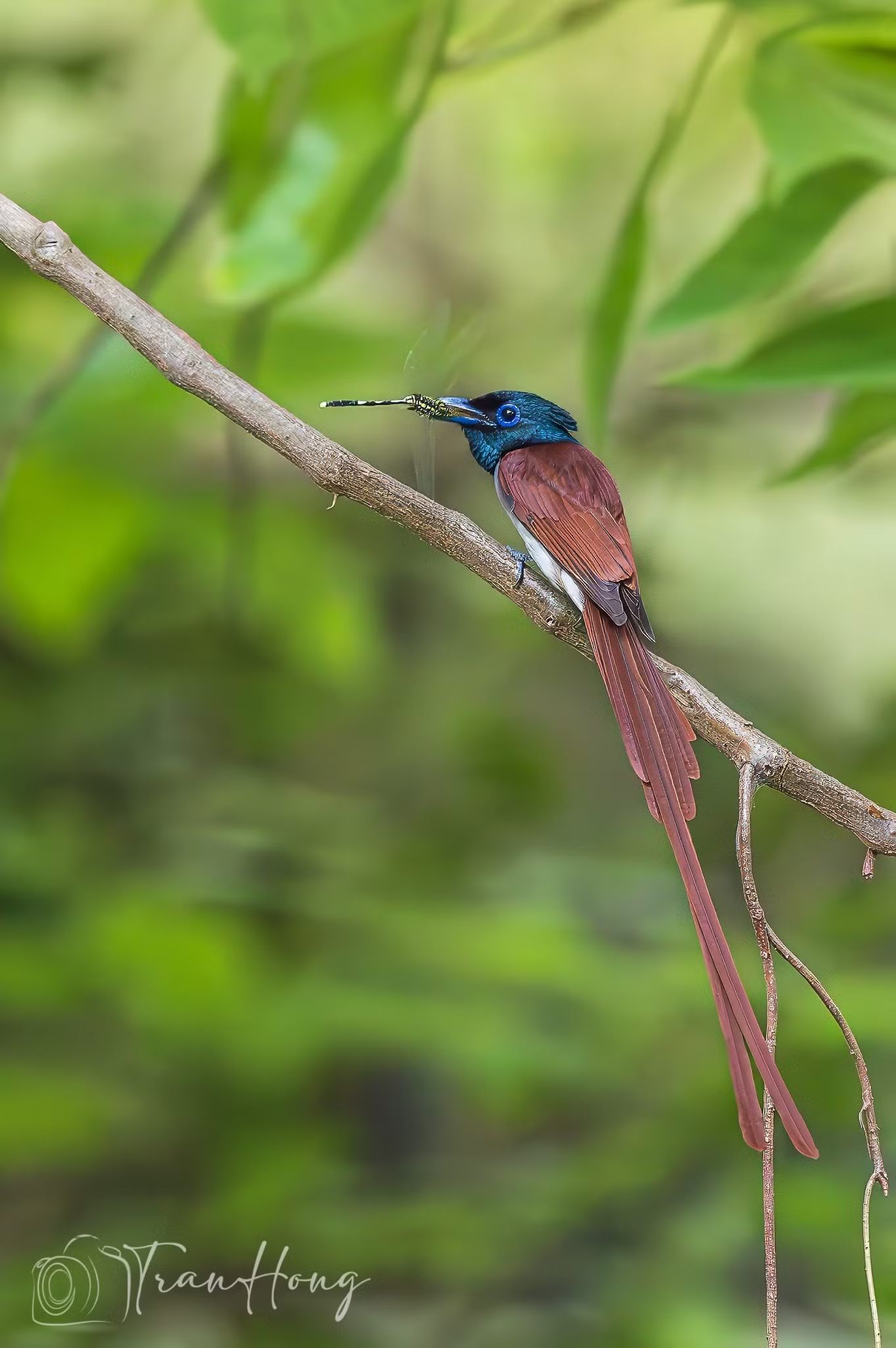
Unlike the commonly seen reddish-brown individuals, mature adult males bearing white plumage are considered extremely rare. Their graceful flight and long, flowing tails lead photography enthusiasts to liken this bird to a “white ghost” amidst the green forest. Photo: Tran Hong – Xuan Nguyen.
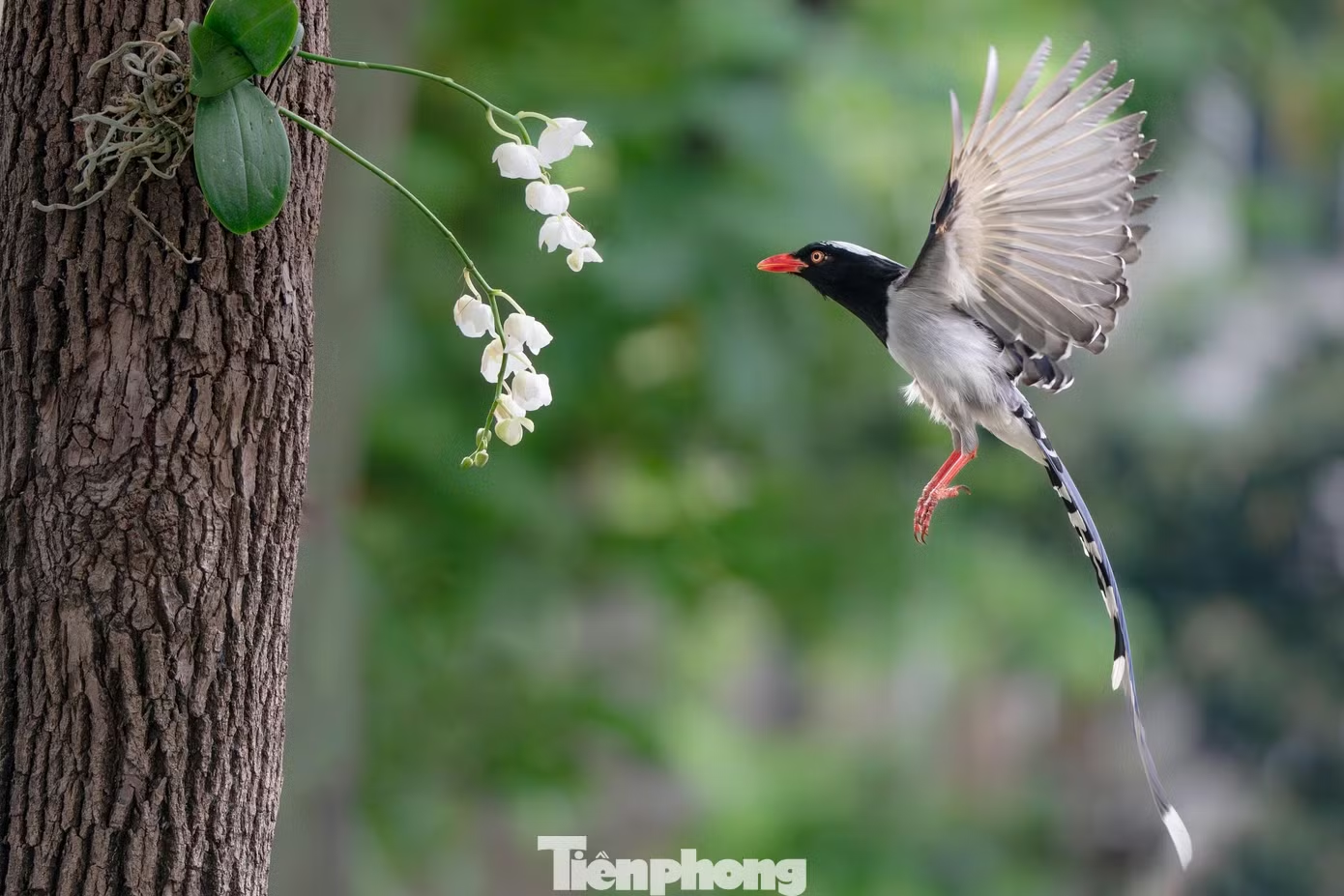
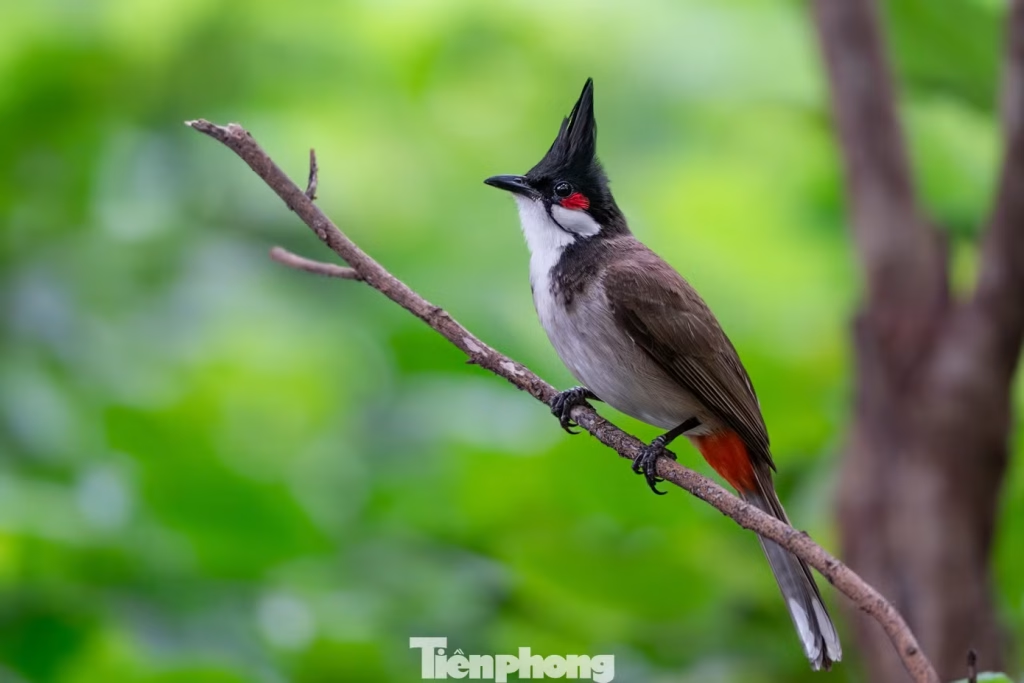
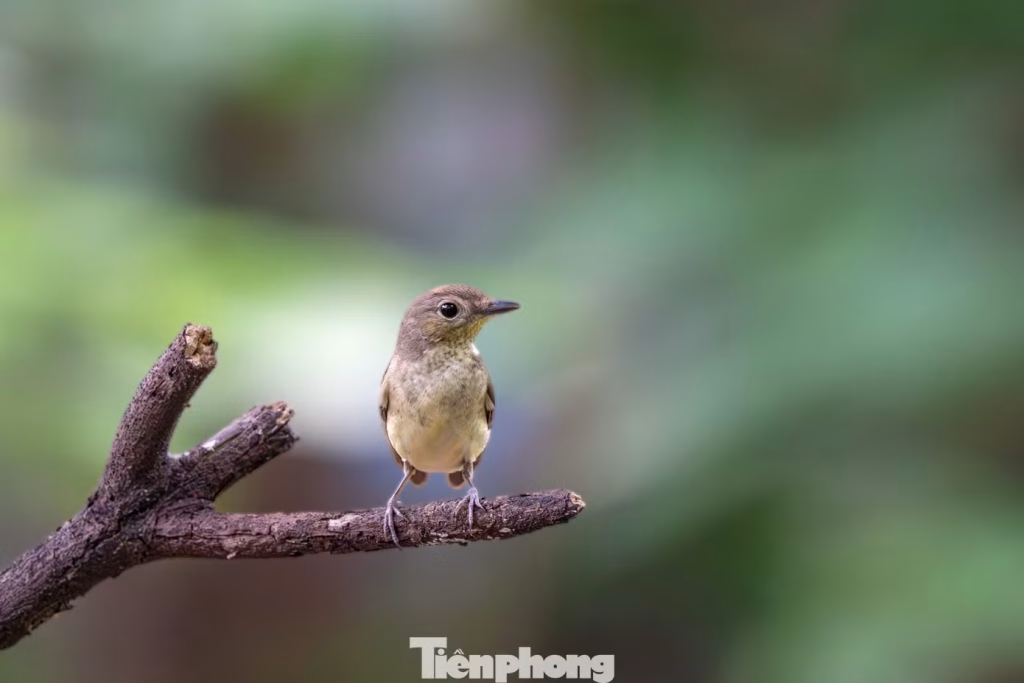
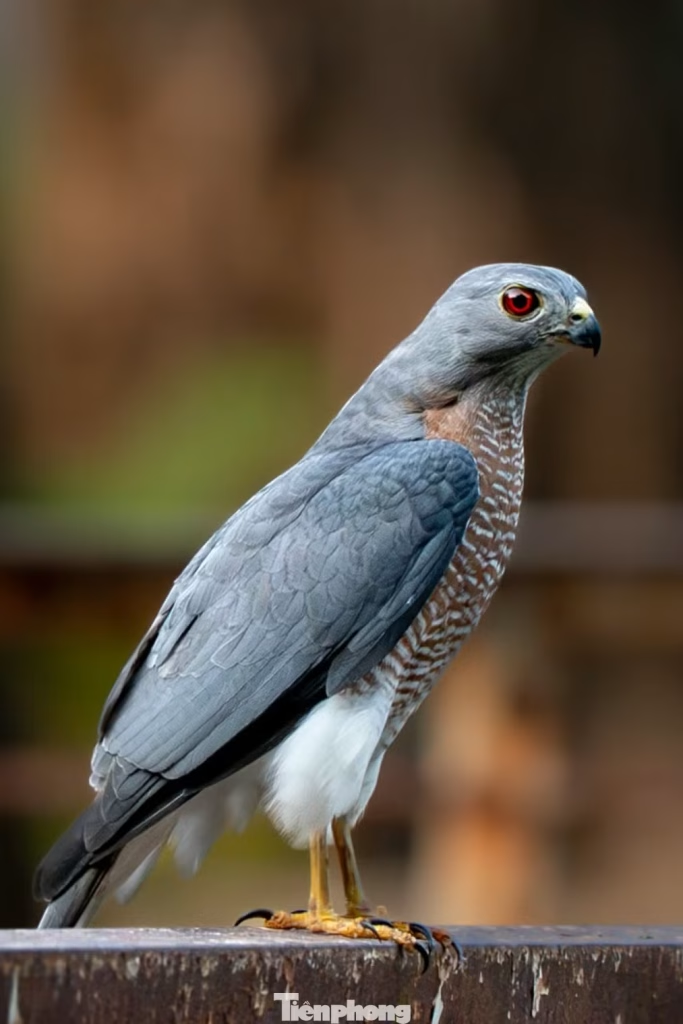
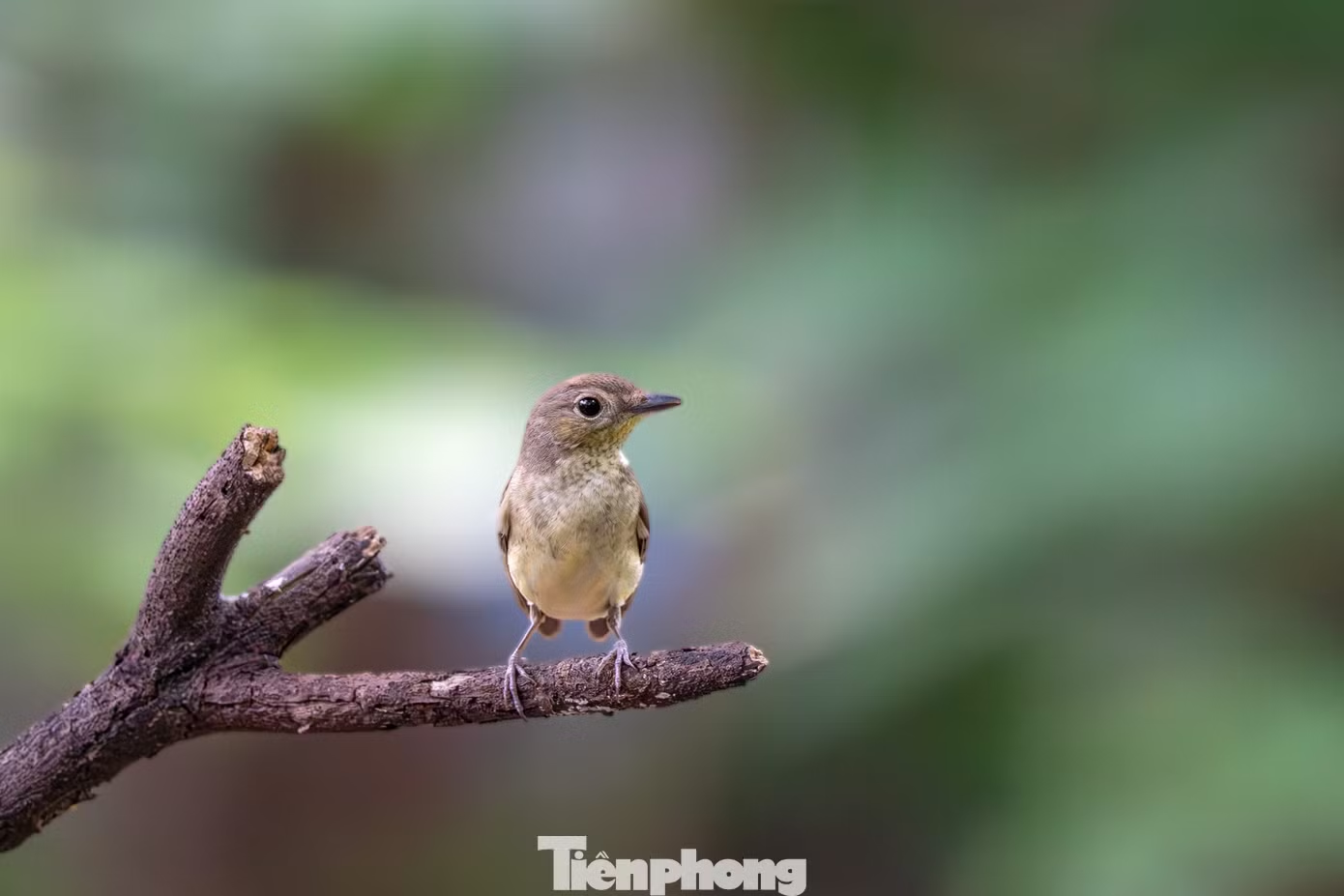
Aside from rare species, Hanoi’s ecosystem has also recorded the presence of many beautiful and unique birds such as falcons, shrikes, bulbuls, flycatchers, and more.
TIN BÀI LIÊN QUAN

Culinary Flavors Along the Roads of Myanmar
Amidst a life still filled with hardships, the streets of Myanmar captivate travelers with deeply endearing colors. These include the warm smiles on old…

Hang Rai, Khanh Hoa – Nature’s Miraculous Masterpiece
Once likened to "Mars on the shore," Hang Rai impresses visitors with millions of years old ancient coral rock formations and the phenomenon of…
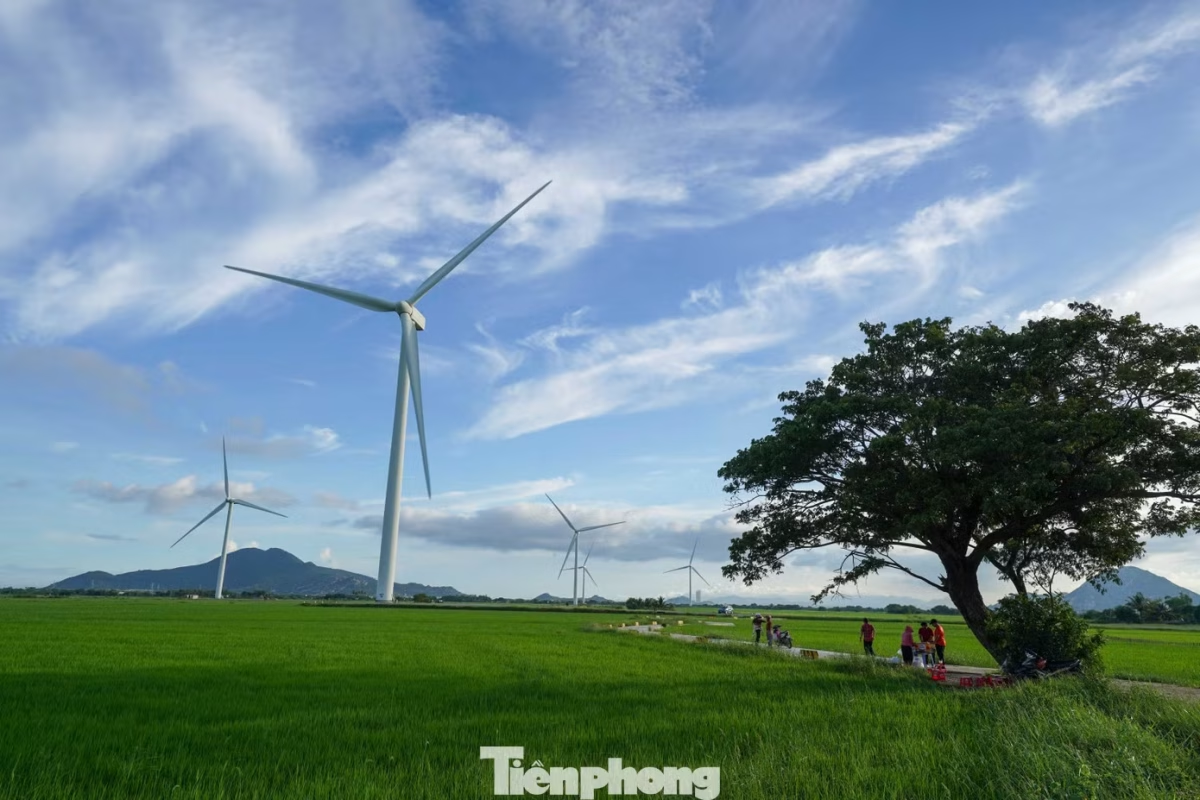
Breathtaking Sunset Over the Wind Farm
Under the brilliant golden sunset, the wind turbines in Khanh Hoa emerge in a mesmerizing way, turning this sun-drenched and windy land into an…
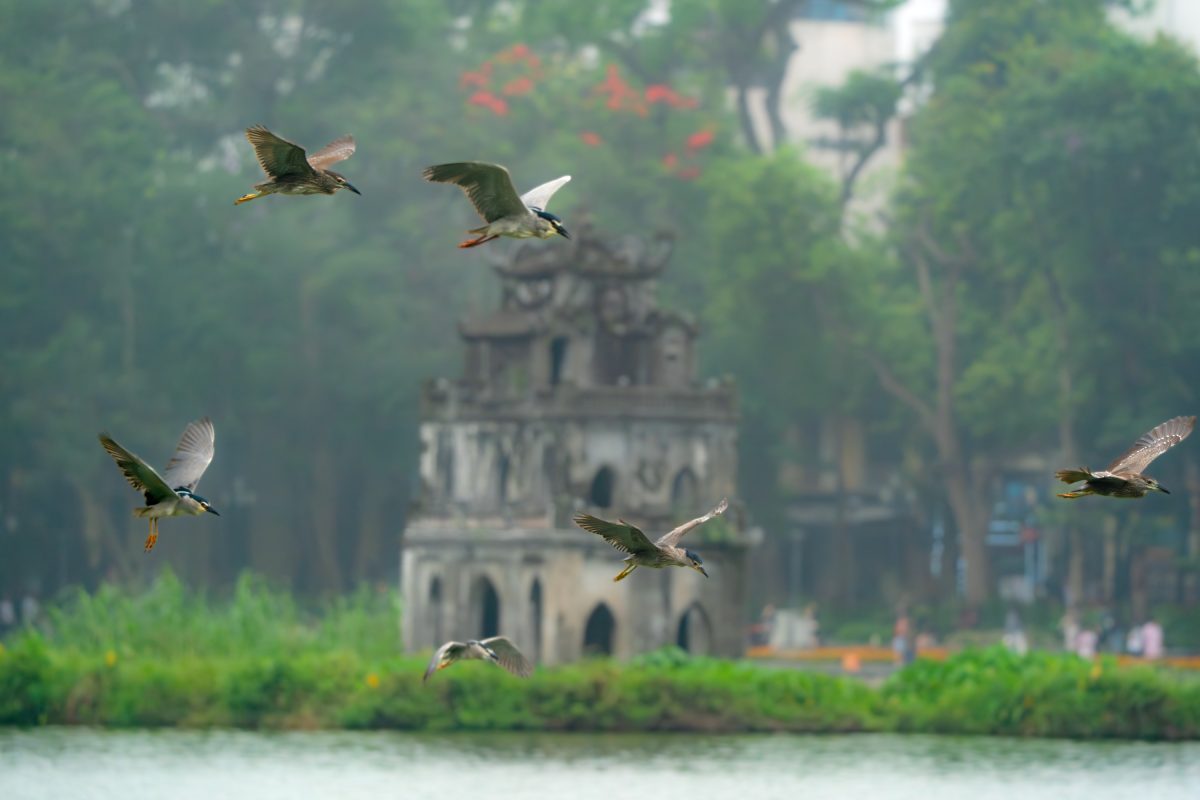
Wild birds ‘settle down’ at Hoan Kiem Lake, gracefully gliding and hunting in front of visitors
Hundreds of wild birds have unexpectedly gathered at Hoan Kiem Lake to nest and hunt. Amidst the vibrant colors of the changing seasons, the…
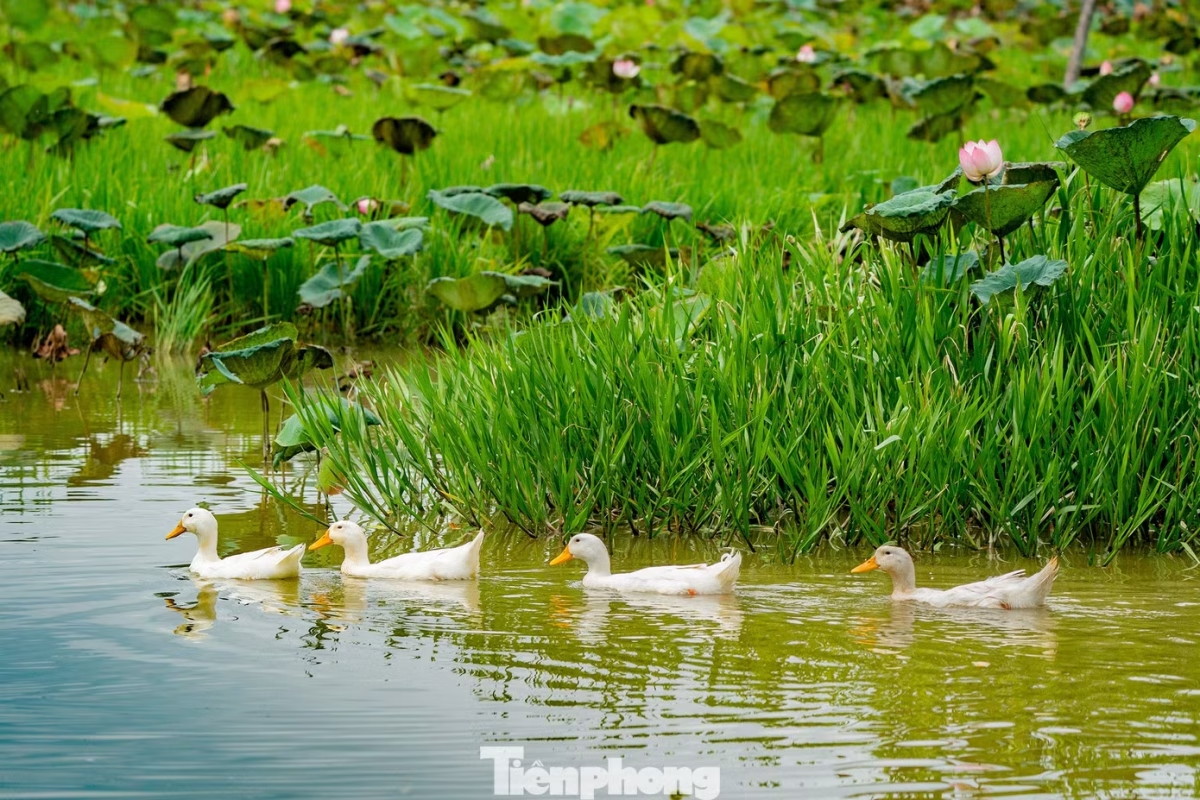
Migratory Bird Season in Suburban Hanoi
These days, the flooded fields in Binh Minh commune (Hanoi) come alive as numerous migratory bird species flock to the area. Black-winged stilts, marsh…
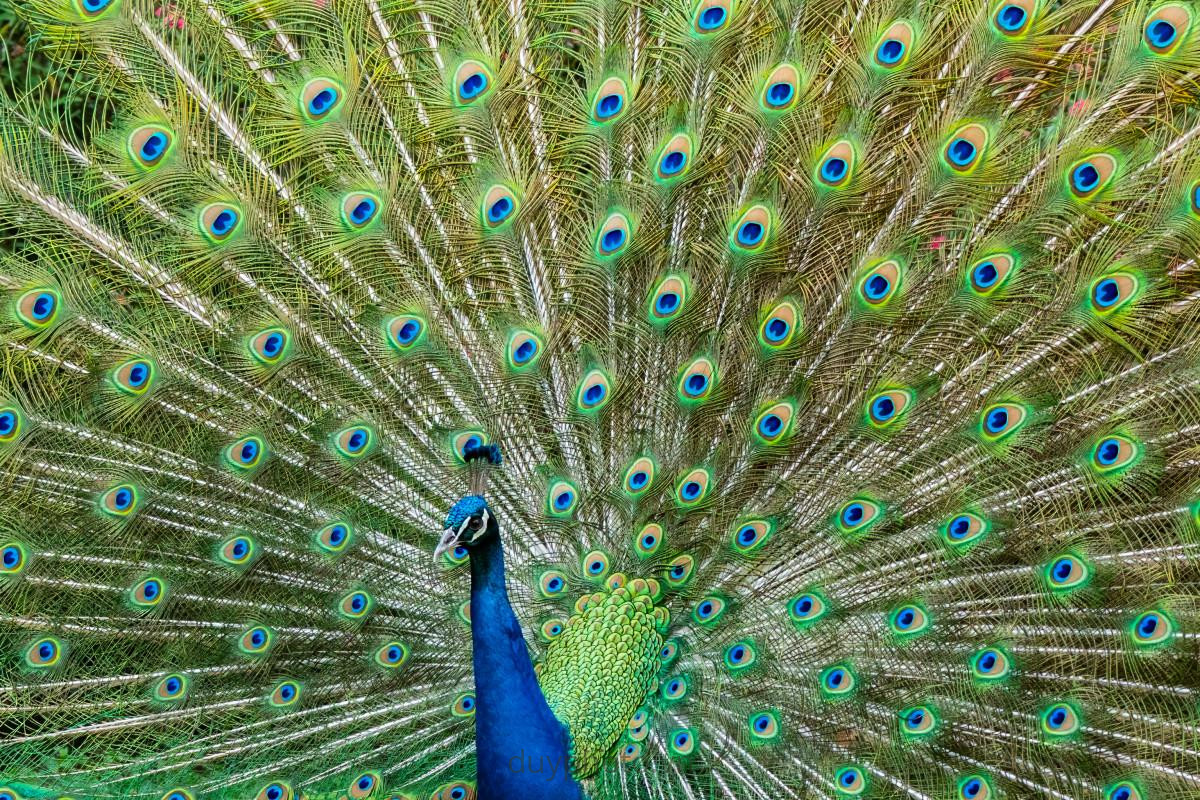
Photos of Peacocks in Ecopark Urban Area
Visitors to Ecopark urban area are often impressed by the sight of rare peacocks freely walking and foraging along the lakeside pathways, bringing a…